A Control Surface Map
Each surface — instruction files, naming, tool/skill descriptions, hooks, context, MCP — whether it's present, its strength, and whether it currently acts as suggestion or instruction.
A scan of your Claude Code setup, read against the Control Surfaces taxonomy — the named failure modes that make an agent quietly ignore the rules you thought you'd set.
It tells you which are present, how severe, and exactly where — by name, scored, against your own code.
The Diagnostic checks a Claude Code setup for the taxonomy's named patterns — the recurring ways an instruction reads as binding while nothing actually stops a violation.
You get a report, not a checklist score: what's already working, and every gap named, severity-scored, and located in your own code.
It checks for the taxonomy's named patterns. Among them:
A zero-tolerance rule (“MUST”, “NEVER”) written where prose can only suggest — so it reads as binding while nothing stops a violation.
A hook exists, so the setup looks enforced — but it doesn't gate (exits zero, auto-fixes instead of blocking, or fails open).
An instruction, skill, or tool whose name doesn't match the task — so the agent passes over it.
Two or more instruction files with no hierarchy, so the agent may read one, none, or the wrong one.
Files pointed to in prose instead of pulled into context — so whether they arrive is left to the agent's discretion.
Claude Code run on a real codebase with no instruction or enforcement surface at all.
Many bridged tools competing for the agent's selection attention.
Non-actionable text crowding the real instruction out of the window.
…and the rest of the taxonomy — Session Invariants, Manual Context Loading, Compliance Illusion, No Universal Config.
Each surface — instruction files, naming, tool/skill descriptions, hooks, context, MCP — whether it's present, its strength, and whether it currently acts as suggestion or instruction.
What's already working in your setup, cited to specific files.
Each named anti-pattern present, scored HIGH / MEDIUM / LOW, with the exact file and the offending lines as evidence.
Free OSS tools cover Anthropic best-practice checks only; the full proprietary taxonomy is the paid scan.
The Diagnostic names and scores what's wrong; the remediation method — how to fix it and verify the fix holds — transfers in the Masterclass and the Workshop.
How the scan detects and scores is not disclosed — measurement method patent-pending. You receive the findings, not the machine that produced them.
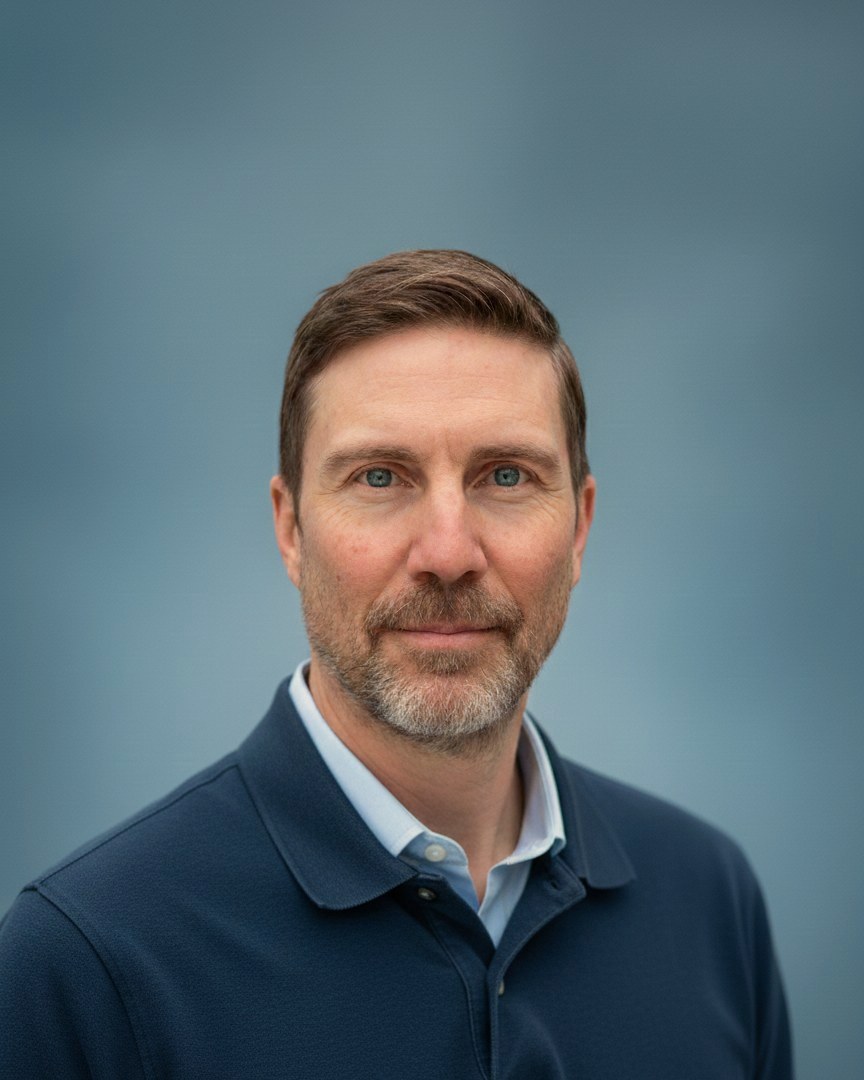
Ex-Apple AI Strategy & Operations lead, with decades of training and delivery behind him. The framework is patent-pending.
The method is a named taxonomy of the recurring failure modes, grounded in controlled experiments and Anthropic's own published guidance — then measured across 300+ real Claude Code setups. Not theory; the scan reads your setup against the evidence.
By enquiry— public-repo or a private scan via secure upload. Tell us which and we'll scope it.
Request a quote →Public-repo or private · POA