
A shared mental model
How the agent actually reads your instructions — the framework your whole team can work from.
A live, instructor-led online cohort: one shared room learning to turn Claude Code's behaviour from something you hope for into something you measure, control, and prove.
Instructional format — covering the full framework, a guide on what to fix and how to do it effectively, ending with a live Q&A. All taught and demonstrated with examples.
First session · July 23, 2026 · open enrollment
Running it for a whole team instead? Talk to us about a private cohort →
A CLAUDE.md is context, not enforced configuration — Anthropic's own documentation is explicit about it. Most teams treat it like a config that binds the agent. That gap is where production breaks.
This cohort makes the difference measurable, then controllable: how the agent actually reads you, the Control Surfaces you have, the one choice every failure collapses to, and why output passing review is not proof the rule held.
It's for professional developers, engineering leads, and platform or AI-infra people already running Claude Code in real work. We open by getting everyone onto one shared understanding — not by introducing the tool.
All resting on one key distinction — the difference between suggestion and instruction.
What the agent sees each turn, how it reads your files, and why a capitalised MUST in prose is structurally a suggestion.
The levers you actually have — each with its effective use and its most common failure modes.
Every failure collapses to a single decision: gate the rule deterministically, or help it win the competition for the agent's attention.
Why output passing review is not evidence the rule was followed — and the suggested checks that can show it held.
How the agent actually reads your instructions — the framework your whole team can work from.
How to map your own Control Surfaces, plus the rule and mechanism playbook for putting each control where it is needed.
A way to measure whether a rule held that you keep running after the session — plus a bonus public-repo scan.
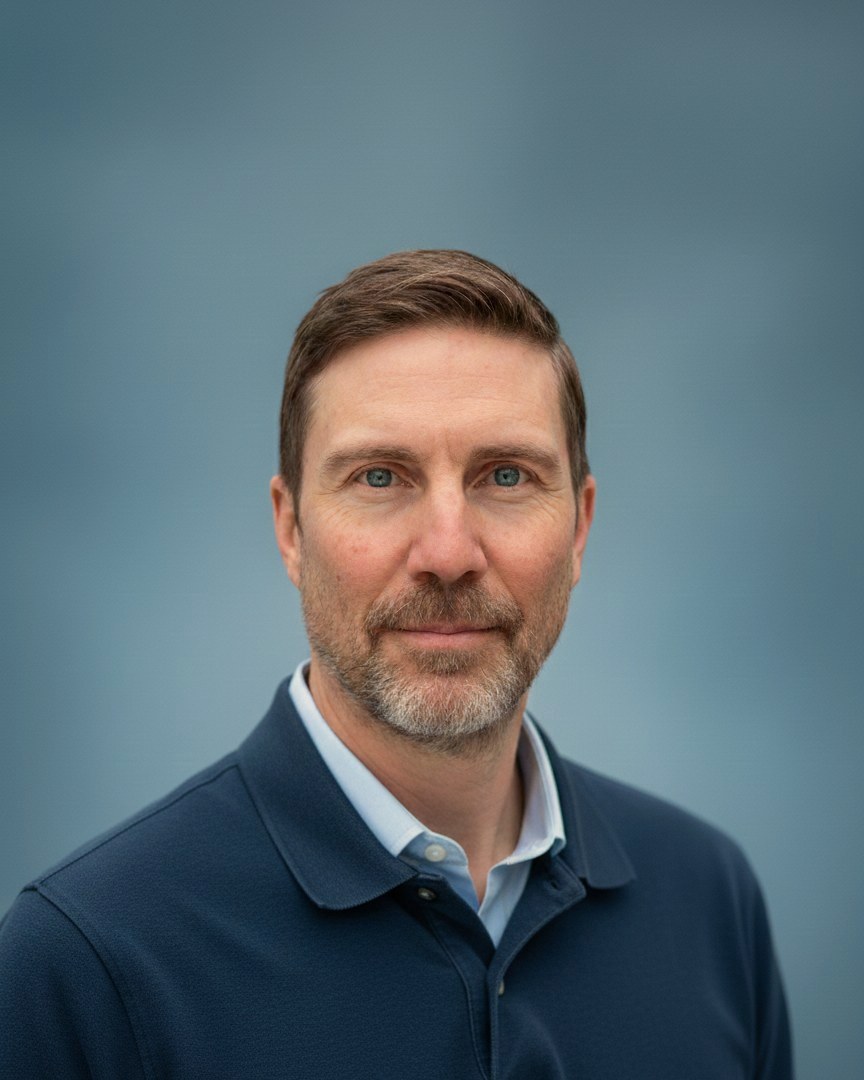
Ex-Apple AI Strategy & Operations lead, with decades of training and workshop delivery behind him. The framework is patent-pending.
The method is a named taxonomy of the recurring failure modes, grounded in controlled experiments and Anthropic's own published guidance — then measured across 300+ real Claude Code setups. Not theory; the session works from the evidence.
Individual seats, open enrollment. Booking and payment are handled on Luma.
Book Now on Luma →Running it for a whole team instead? Talk to us about a private cohort.